Toilets and Other Fixtures
More Information
Toilet-Related Leaks
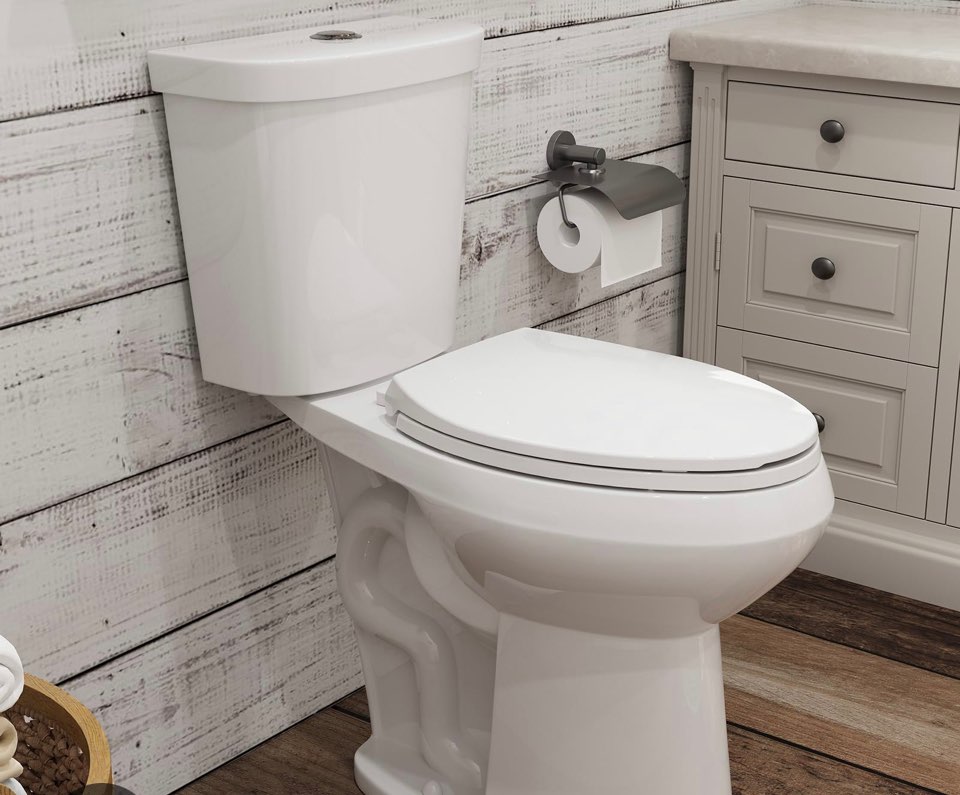
Leaking at the Base of the Toilet
Causes:
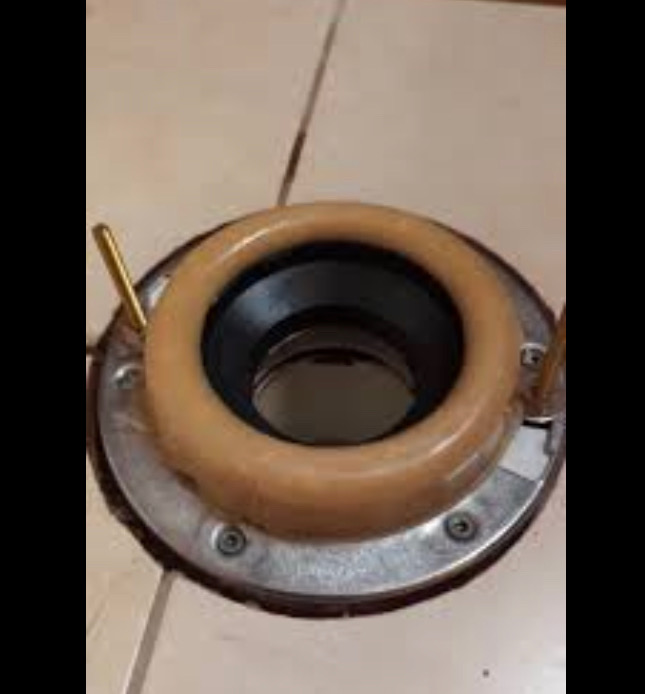
- A worn-out or improperly sealed wax ring (between the toilet and the floor flange).
- Loose or broken bolts securing the toilet to the floor.
Fix:
- Turn off the water supply to the toilet.
- Remove the toilet, replace the wax ring, and secure the bolts.
Constant Running Water
Causes:
- A faulty flapper (not sealing properly).
- A malfunctioning fill valve or float causing overfilling.
Fix:
- Replace the flapper or adjust the float level.
- If the fill valve is damaged, install a new one.
Leak From the Tank Bolts or Gasket
Causes:
- Loose or corroded tank bolts.
- A worn-out gasket between the tank and the bowl.
Fix:
- Turn off the water supply and empty the tank.
- Tighten or replace the bolts and gasket.
Valve-Related Leaks
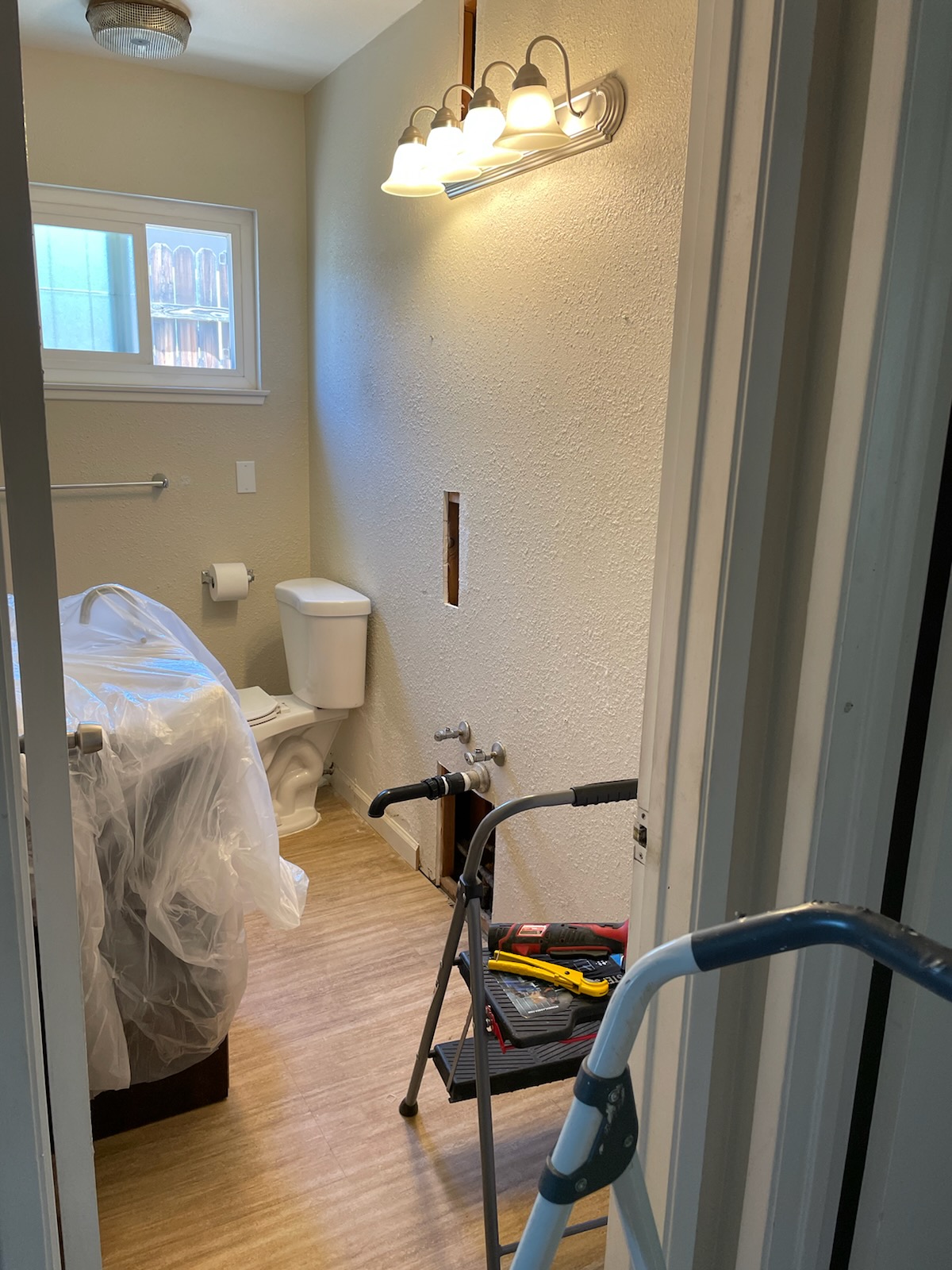
Leaking Shut-Off Valve (at the Wall)
Causes:
- A worn-out washer inside the valve.
- Corrosion or loose fittings.
Fix:
- Turn off the main water supply.
- Remove the valve, replace the washer or the valve itself.
Leaking Fill Valve (Inside the Tank)
Causes:
- A faulty or misaligned fill valve.
- Debris or wear causing improper sealing.
Fix:
- Adjust the fill valve height.
- If that doesn’t work, replace the fill valve.
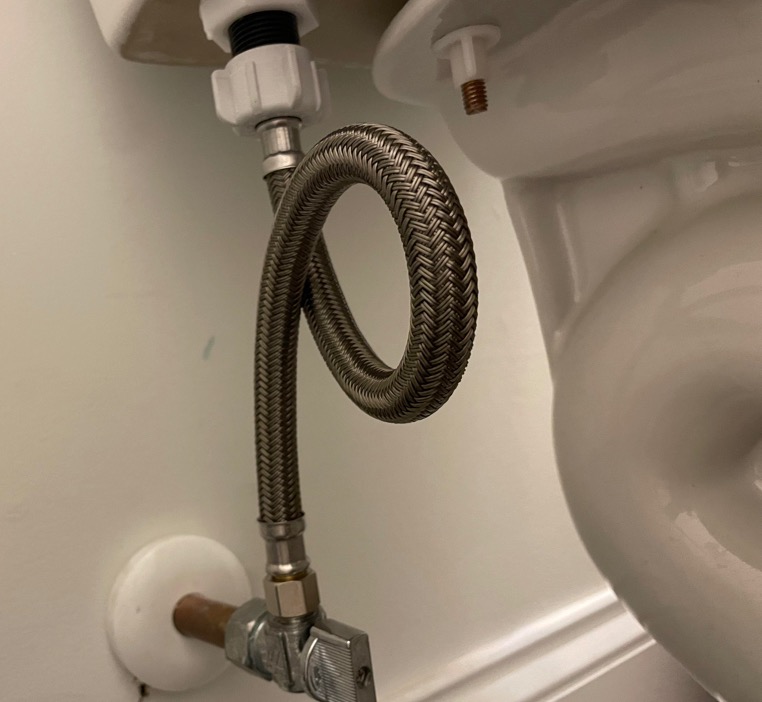
Leaking Supply Line
Causes:
- Loose connection at the toilet or the valve.
- A cracked or deteriorated supply hose.
Fix:
- Tighten the connection.
- If the hose is damaged, replace it with a flexible stainless steel line.
Tank Water Heater Leaks
Leak From the Top of the Tank
Causes:
- Loose inlet or outlet connections — The cold water inlet or hot water outlet fittings may be loose.
- A faulty or leaking T&P (temperature and pressure) relief valve.
- A corroded anode rod allowing water to seep through.
Fix:
- Tighten the connections with a wrench.
- If the T&P valve is leaking, test it and replace it if necessary.
- Check the anode rod — if it’s corroded, replace it.
Leak From the Bottom of the Tank
Causes:
- Sediment buildup inside the tank causing overheating and cracks.
- A leaking or damaged drain valve.
- A corroded or cracked inner tank (usually signals the tank is failing).
Fix:
- Flush the tank to remove sediment (connect a hose to the drain valve and empty it).
- If the drain valve is leaking, replace it.
- If the tank itself is leaking, you’ll likely need to replace the water heater.
T&P Relief Valve Leaking
Causes:
- Excessive pressure or overheating inside the tank.
- A faulty or stuck valve.
Fix:
- Test the T&P valve by lifting the lever — if it keeps leaking after resetting, replace it.
- If pressure is too high, install a pressure-reducing valve on the main water line.
Leaking Around the Heating Element (Electric Models)
Causes:
- A loose or deteriorated heating element gasket.
- Corrosion around the heating element opening.
Fix:
- Turn off power and water supply.
- Remove the heating element, inspect the gasket, and replace if worn.
Tankless Water Heater Leaks
Leak From the Cold or Hot Water Connections
Causes:
- Loose or improperly sealed connections.
- Corrosion or cracks in the fittings.
Fix:
- Tighten or reseal the fittings.
- If corrosion is present, you may need to replace the connectors.
Internal Leak
Causes:
- Mineral buildup or scaling inside the heat exchanger.
- A cracked heat exchanger due to excessive pressure or overheating.
Fix:
- Flush the tankless unit with white vinegar or a descaling solution to remove buildup.
- If the heat exchanger is cracked, it usually requires professional repair or replacement.
Condensate Leak
Causes:
- A clogged or improperly installed condensate drain line (common in high-efficiency models).
Fix:
- Clean out the condensate drain line.
- Ensure proper slope and drainage to prevent backups.