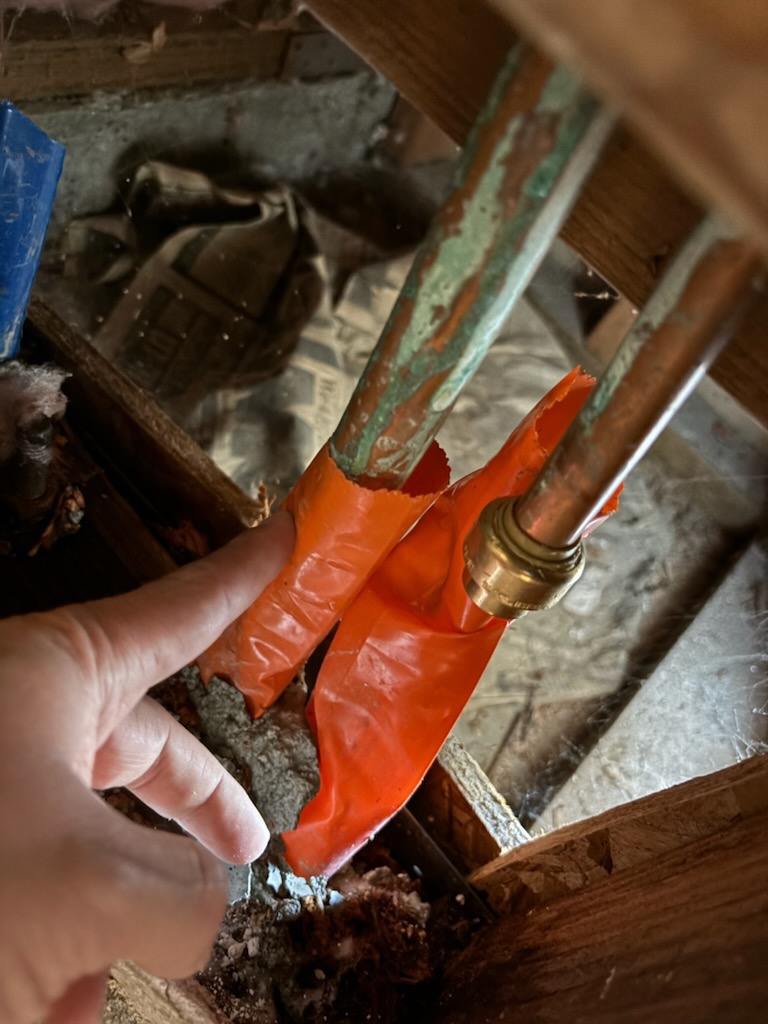
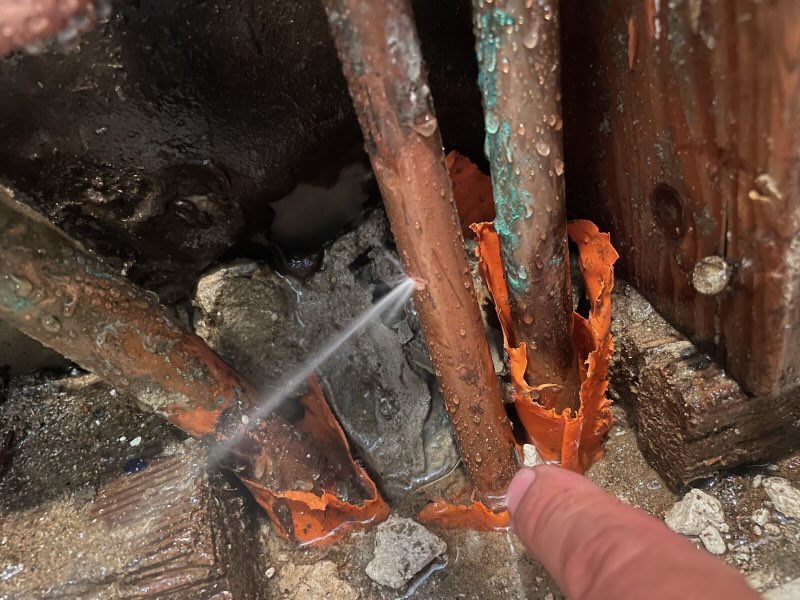
Slab Leak Repairs
Slab leak repair refers to the process of locating and fixing leaks that occur in the water pipes running beneath the concrete foundation (slab) of a building. Slab leaks can cause significant structural damage if not addressed promptly, including foundation shifting, mold growth, and increased water bills.
More Information
Pipe Corrosion – Metal pipes (especially copper) can corrode over time due to soil chemistry or electrolysis.
Abrasion – Pipes rubbing against concrete, gravel, or rebar can wear down over time.
Poor Installation – Improperly installed or low-quality pipes may crack or break under pressure.
Ground Shifts – Soil movement from earthquakes, flooding, or settling can stress and break pipes.
High Water Pressure – Excess pressure can weaken and damage pipes over time.
Chemical Reactions – Water chemistry (such as high acidity) can corrode pipes.
- Unexplained increase in water bills.
- Warm spots on the floor (if the leak is from a hot water line).
- Cracks in walls or flooring.
- Mold or mildew growth.
- Sound of running water even when no are open.
- Water pooling around the foundation or inside the house.
- Acoustic Listening Equipment – Special devices detect the sound of water escaping from pipes.
- Thermal Imaging – Infrared cameras identify temperature differences caused by water leaks.
- Pressure Testing – Isolating sections of piping and testing for drops in pressure.
- Leak Detection Dye – Dye is introduced into the system to identify the location of leaks.
Pipe Rerouting
- If the damaged section is small and accessible, the plumber may bypass the damaged pipe and install new piping above the slab or through walls.
- Best for older plumbing systems where future leaks are likely.
Epoxy Pipe Lining
- A non-invasive method where an epoxy resin is injected into the pipe to seal cracks and leaks from the inside.
- Ideal for small leaks and pipes in otherwise good condition.
Spot Repair
- Cutting into the slab at the leak site, removing the damaged section of pipe, and replacing it.
- Works well for isolated leaks but may require breaking the concrete.
Re-Piping
- Replacing the entire plumbing system if multiple leaks or significant pipe degradation are present.
- Suitable for older homes with aging infrastructure.
- Install a pressure regulator to control water pressure.
- Use corrosion-resistant materials (like PEX or CPVC) for plumbing.
- Monitor water bills for unexpected increases.
- Schedule regular plumbing inspections.