Outdoor Water Systems and More
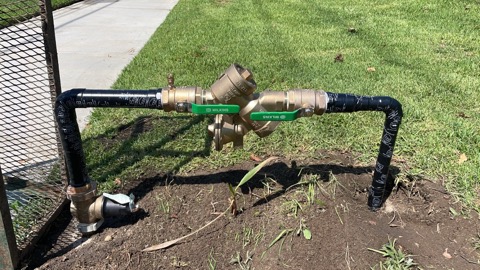
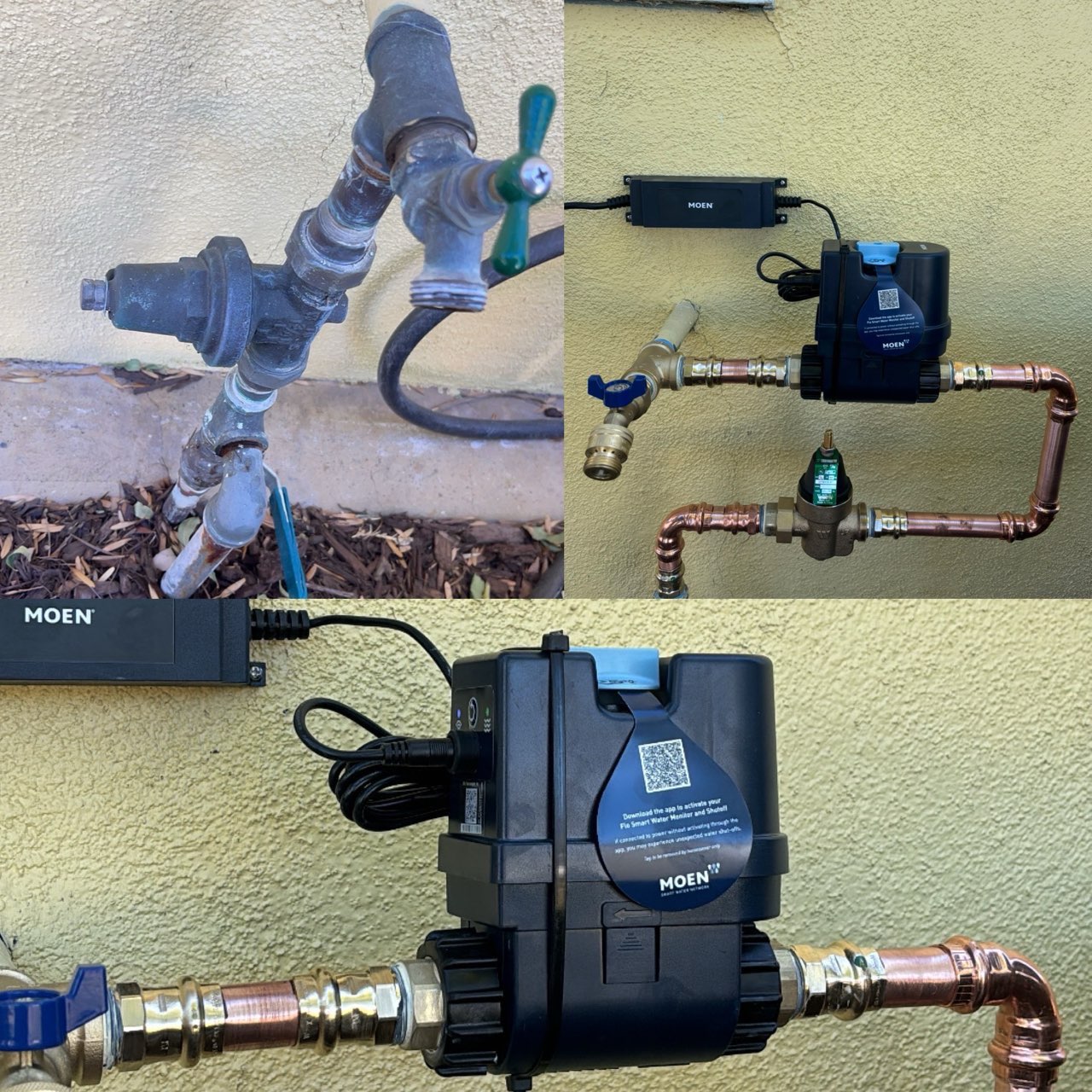
A water line to a house is the main pipe that connects your home’s plumbing system to the municipal or private water supply. Typically buried underground, this service line is essential for delivering potable water from the street to your , appliances, and other fixtures.
More Information
Key Components and Considerations
Materials
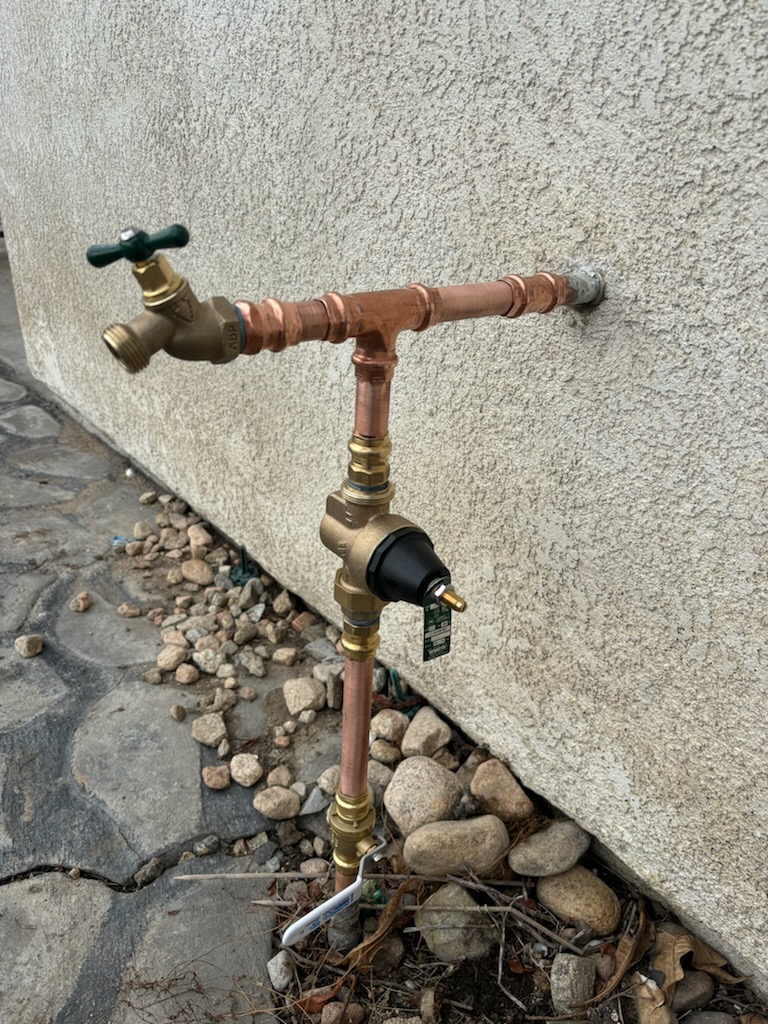
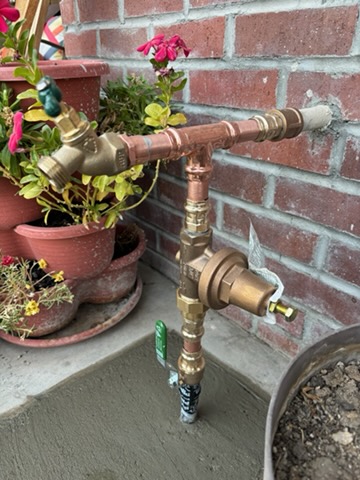
- Copper: Known for its durability and resistance to corrosion, copper lines have been used for many decades.
- PVC/CPVC: Lightweight and resistant to chemicals, these plastic pipes are common in modern installations.
- Polyethylene (PE): Flexible and robust, PE pipes are frequently used for underground service lines due to their resistance to cracking and corrosion.
- PEX: While often used for interior plumbing, PEX’s flexibility makes it easier to install; however, it’s less common for the underground portion of a service line.
Installation
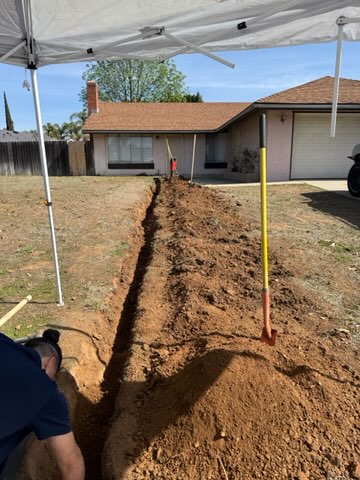
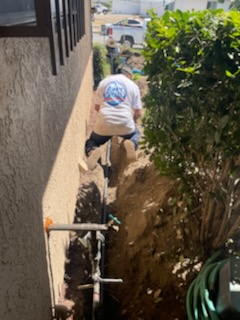
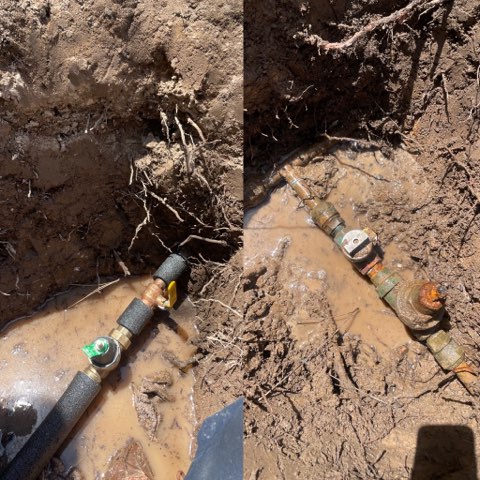
- Trenching: A trench is typically excavated from the water main (often located on the street) to the house. The pipe is then laid in the trench and backfilled with proper bedding material to protect it.
- Depth Requirements: Local building codes usually mandate a minimum burial depth to protect the pipe from freezing temperatures. This depth varies by region.
- Connection Points: The water line connects to the municipal water main at one end and to the home’s internal plumbing system at the other, often via a water meter that tracks consumption.
Maintenance and Common Issues
- Leaks: Over time, factors like corrosion, ground movement, or poor installation can lead to leaks. Early detection is important to avoid water damage and high utility bills.
- Blockages: Sediment or mineral buildup can restrict water flow and lower pressure. Regular inspections help identify such issues.
- Aging Infrastructure: In older homes, outdated materials like lead or degraded copper may need replacement to ensure safe and reliable water delivery.
Repair and Upgrades
- Spot Repairs: For localized damage, a section of the pipe may be repaired or replaced without disturbing the entire line.
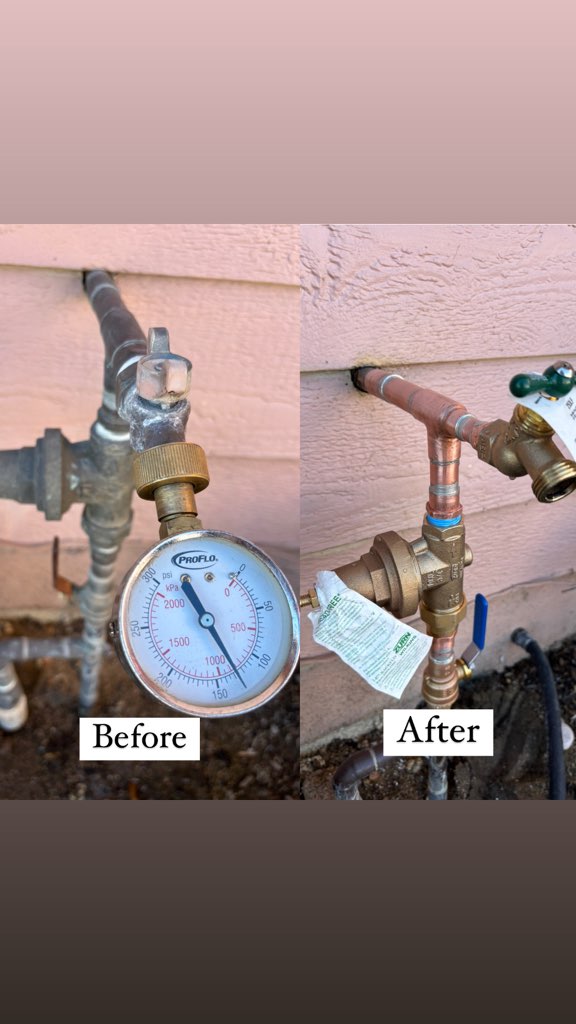
- Full Replacement: In cases where the water line is old or extensively damaged, replacing the entire service line might be the best long-term solution.
- Modern Technologies: Innovations like trenchless repair techniques can minimize disruption when replacing or repairing water lines.
A well-maintained water line not only ensures consistent water pressure and quality but also helps prevent costly water damage to your home. If you’re experiencing issues like a sudden drop in pressure, unexpected high water bills, or visible leaks, it might be time to inspect the water line or consult a professional plumber.