Leak Detection

Methods of Leak Detection
More Information
Acoustic Detection
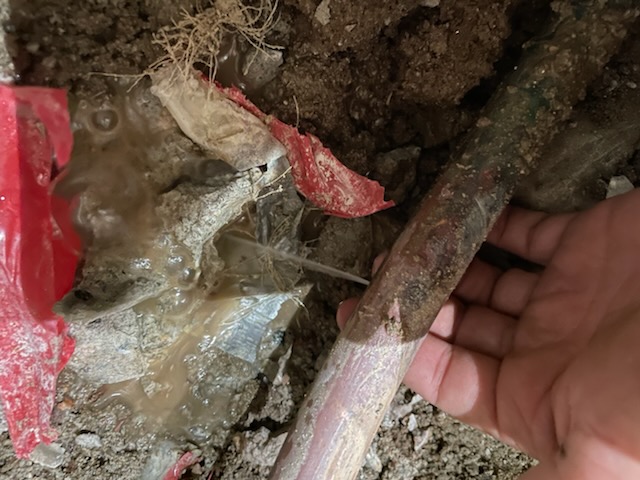
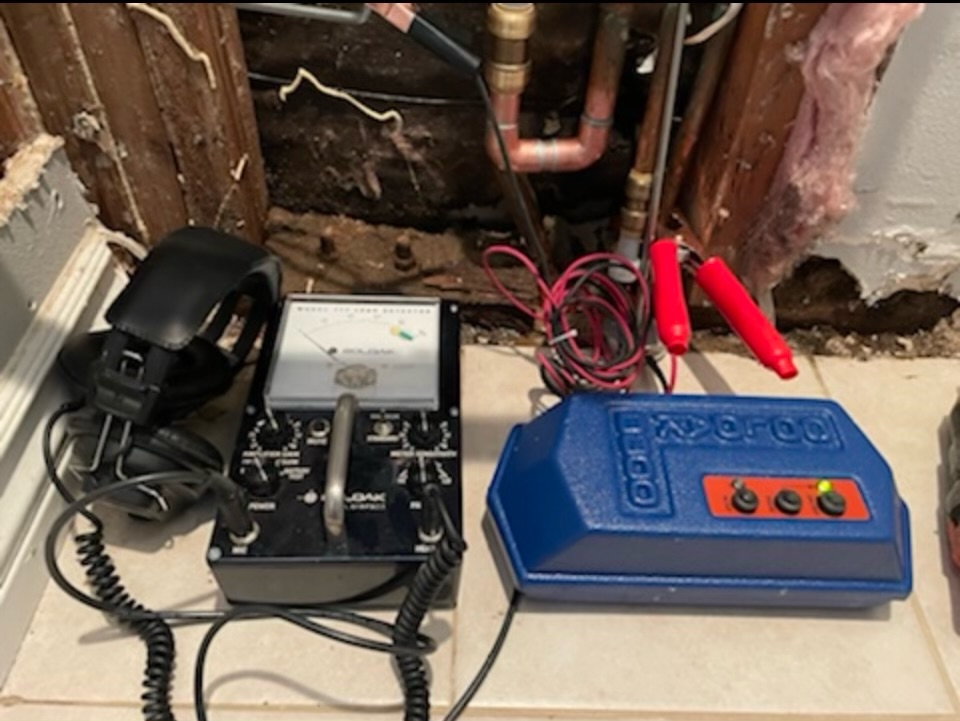
- How It Works: Specialized listening devices pick up the sound of fluid escaping under pressure. The escaping water or gas creates distinct noises that can be detected even through concrete or soil.
- Applications: Widely used for detecting slab leaks and underground pipelines.
Thermal Imaging
- How It Works: Infrared cameras capture temperature differences on surfaces. A leaking pipe can cool or warm the area around it, making the leak detectable by comparing thermal images.
- Applications: Useful for both indoor and outdoor environments, especially when leaks affect the surface temperature of floors or walls.
Pressure Testing
- How It Works: The system is pressurized, and sensors monitor for unexpected drops in pressure. A consistent loss indicates a leak in the system.
- Applications: Common in water and gas pipelines to isolate and confirm leaks in specific segments.
Tracer Gas or Dye Testing
- How It Works: A safe tracer gas or dye is introduced into the system. Sensors or visual inspection then track where the tracer escapes from the pipe.
- Applications: Ideal for pinpointing leaks in inaccessible or non-visible areas, such as behind walls or under slabs.
Smart Sensors and IoT Systems
- How It Works: Networked sensors continuously monitor parameters like flow rate, pressure, and humidity. These systems can automatically alert users to anomalies that might indicate a leak.
- Applications: Increasingly popular in modern buildings and industrial systems for real-time monitoring and rapid response.
Electromagnetic and Acoustic Correlation Technique
- How It Works: These advanced methods use combinations of electromagnetic fields and acoustic signals to more precisely locate leaks, particularly in complex or noisy environments.
- Applications: Often employed in large-scale or high-stakes infrastructure projects where pinpoint accuracy is critical.
Considerations in Leak Detection
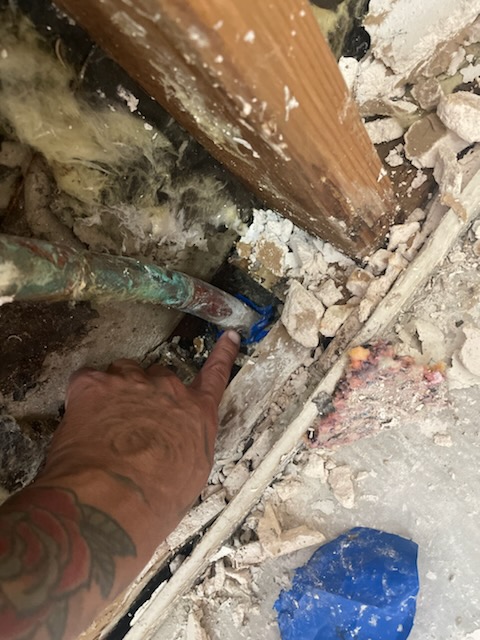
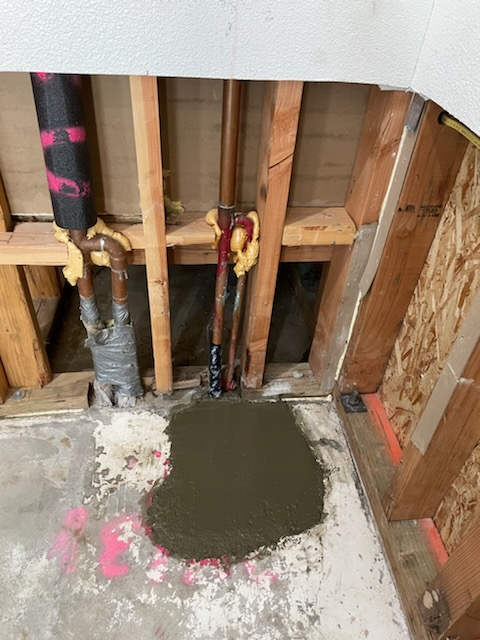
- Non-Invasive vs. Invasive: Non-invasive methods (like acoustic detection and thermal imaging) allow for leak detection without significant disruption to the structure. Invasive methods, such as cutting into a slab, are generally a last resort.
- Speed and Accuracy: Rapid detection can prevent structural damage and reduce water or gas loss. The chosen method often balances the need for quick results with the precision required to locate the leak.
- Cost and Equipment: Advanced detection techniques can involve significant upfront costs for equipment and training. However, these costs are often offset by the long-term savings in repair expenses and minimized disruption.
Overall, the right leak detection method depends on the type of system, the environment, and the severity of the leak. For example, slab leaks might first be examined with acoustic and thermal imaging to pinpoint the issue without extensive disruption. More invasive methods, like direct pressure testing or tracer techniques, can then be used to confirm the findings before any repair work begins.