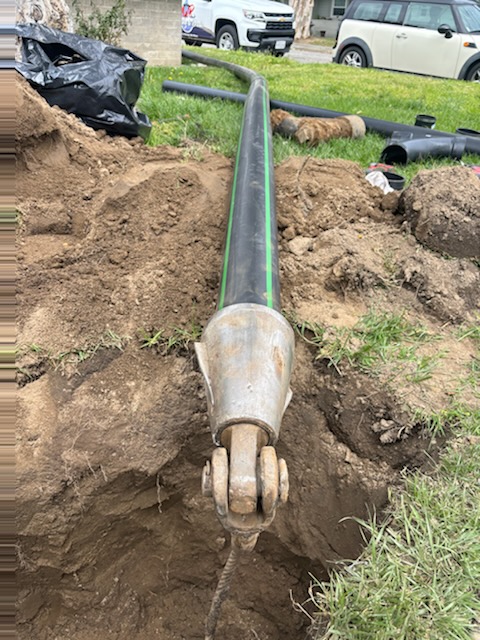
Trench-less Technology Drains and Sewer

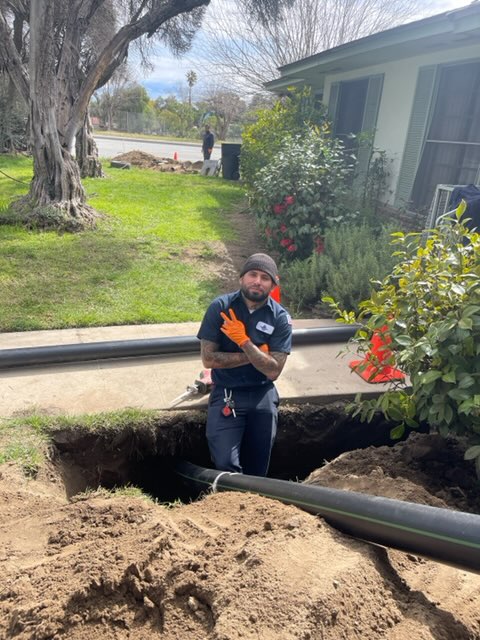
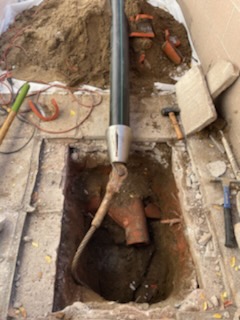
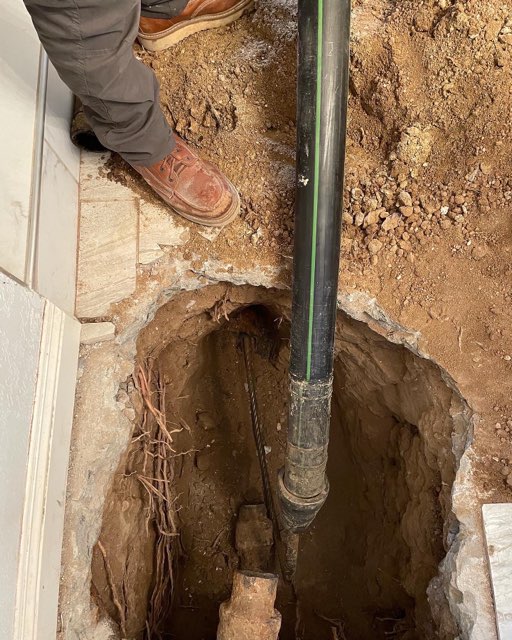
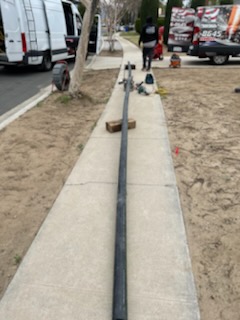
Trenchless technology refers to a set of construction and rehabilitation methods used to install, repair, or replace underground infrastructure (such as pipelines, conduits, and cables) with minimal surface disruption. Unlike traditional open-cut excavation methods, trenchless technology reduces the need for digging large trenches, which helps preserve roads, sidewalks, landscaping, and other surface structures.
More Information
Horizontal Directional Drilling (HDD) – Used for installing pipelines and conduits by drilling a pilot hole and then enlarging it to accommodate the pipe.
Pipe Bursting – Involves breaking and expanding an existing pipe while simultaneously pulling a new pipe into place.
Sliplining – A method where a smaller diameter pipe is inserted into a larger damaged pipe and then grouted into place.
Cured-In-Place Pipe (CIPP) Lining – A flexible resin-saturated liner is inserted into the existing pipe, then cured with heat or UV light to create a new pipe within the old one.
Microtunneling – A remote-controlled boring technique that uses a laser-guided system to install pipes with high precision.
Auger Boring – A technique that uses a rotating auger to bore a hole through soil and pull pipe into place.
Pipe Jacking – Pushing sections of pipe into place behind a boring head while excavation takes place at the front.
Moling – A pneumatically driven tool (a “mole”) creates a hole for pipes or cables without removing surface material.
- Minimal Disruption – Reduces impact on traffic, businesses, and the environment.
- Cost-Effective – Lower labor and restoration costs compared to open-cut methods.
- Faster Installation and Repairs – Less time needed for excavation and surface restoration.
- Environmentally Friendly – Less soil disturbance and reduced carbon footprint.
- Installation and repair of water and sewer lines.
- Laying electrical and communication cables.
- Gas and oil pipeline maintenance.
- Stormwater drainage systems.
- Higher initial costs for equipment and specialized labor.
- Requires accurate subsurface mapping to avoid damaging existing infrastructure.
- Not suitable for all soil conditions or pipe configurations.