Pipe Lining
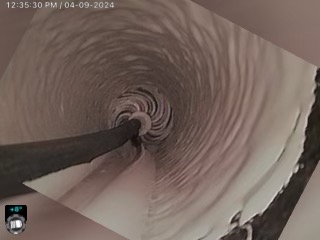
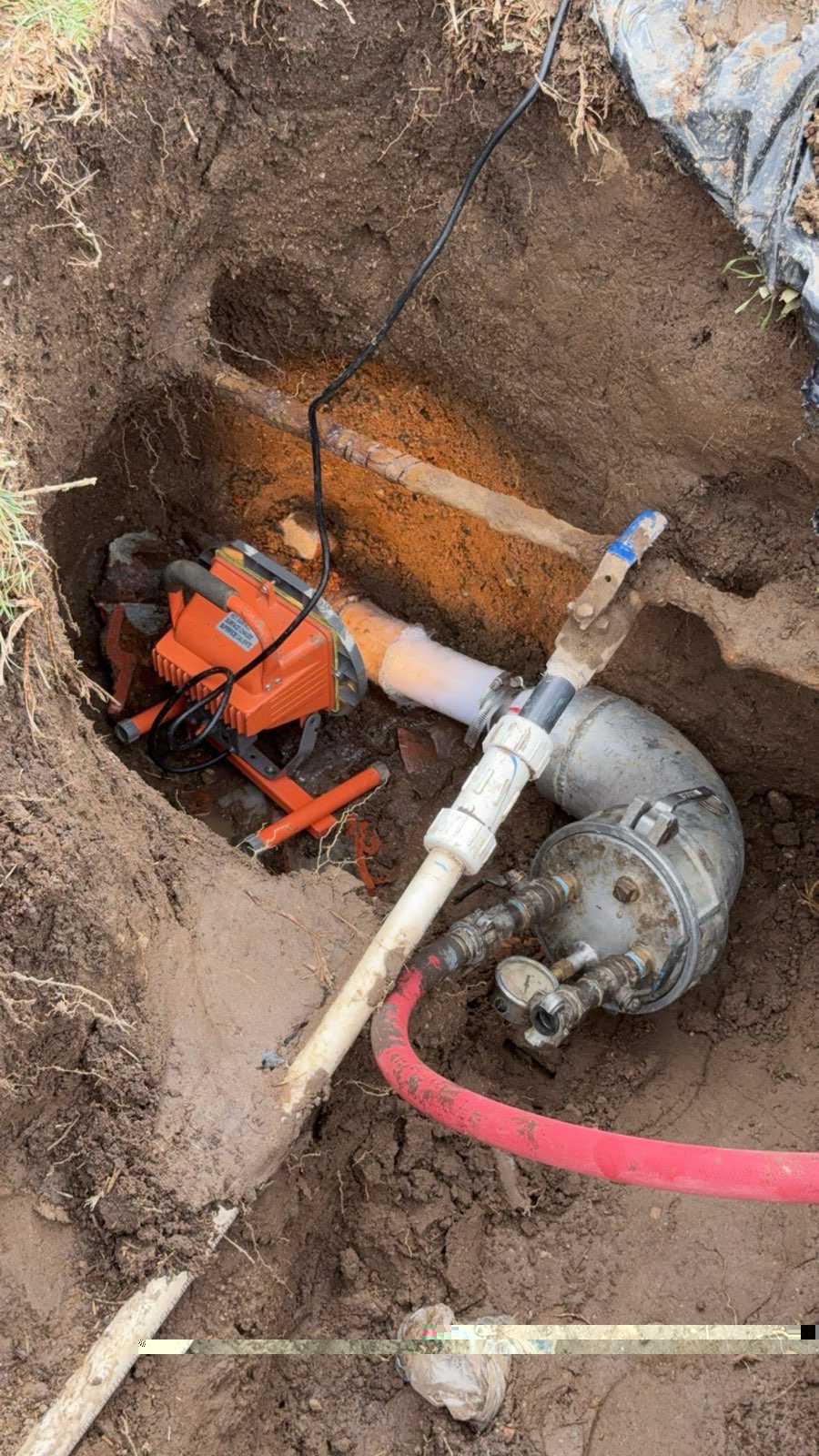
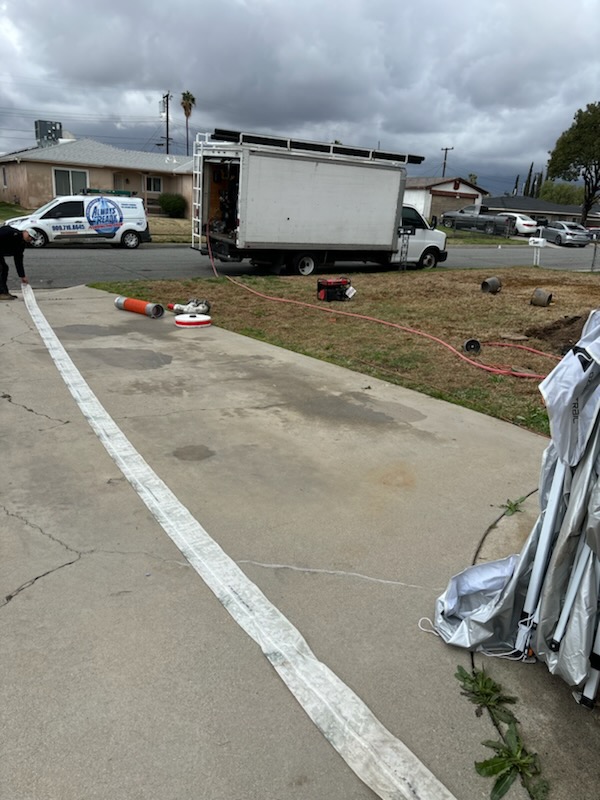
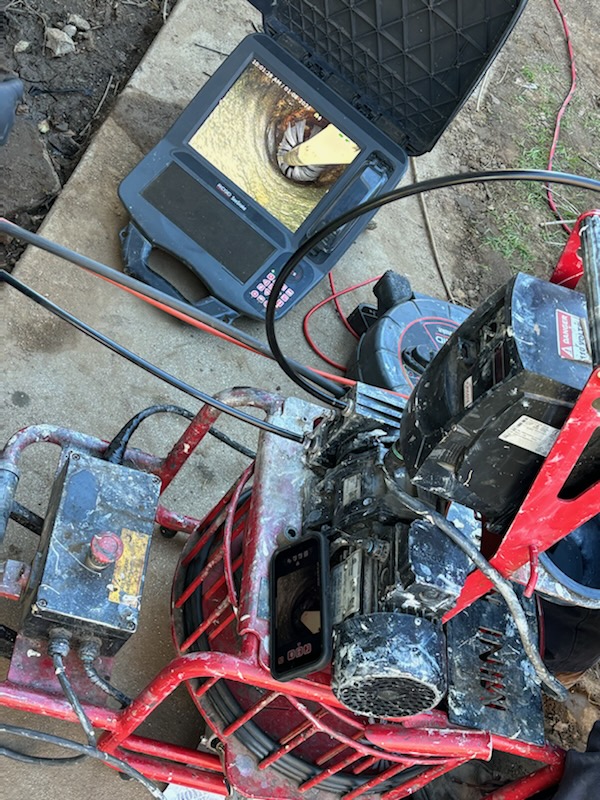
Pipe lining is ideal for repairing underground sewer lines, residential plumbing, and even industrial pipes without the hassle of excavation.
More Information
Types of Pipe Lining
Cured-in-Place Pipe (CIPP) Lining
- The most common method.
- A resin-saturated liner is inserted and cured to form a seamless, joint-free pipe.
Slip Lining
- A smaller diameter pipe is inserted into the damaged pipe and grouted into place.
- Common for large-diameter pipes.
Spray Lining
- A resin or polymer coating is sprayed onto the interior surface of the pipe.
- Best for minor leaks and corrosion protection.
Pull-in-Place Lining
- Similar to CIPP but used for pipes with multiple bends.
- The liner is pulled into place and then cured.
Benefits of Pipe Lining
- Extends the lifespan of existing pipes (up to 50+ years)
- Minimal disruption (no need to dig up floors, walls, or landscaping)
- Prevents leaks and root intrusion
- Resistant to corrosion and chemical damage
- Improves water flow by creating a smooth inner surface
When to Use Pipe Lining
- Cracked, corroded, or leaking pipes
- Root intrusion in sewer lines
- Minor misalignments
- Cast iron, clay, concrete, or PVC pipes
Limitations and Risks
- Not suitable for completely collapsed pipes
- Reduced pipe diameter (slightly) after lining
- Initial cost may be higher than traditional repair (but saves money in the long run)
- Requires professional expertise for proper installation