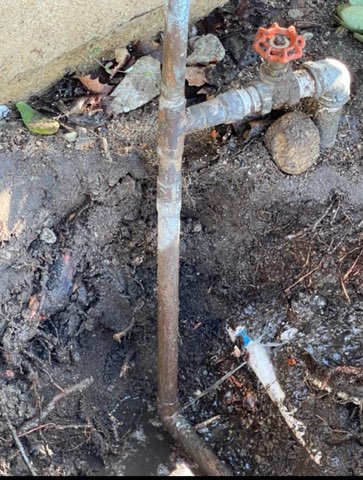
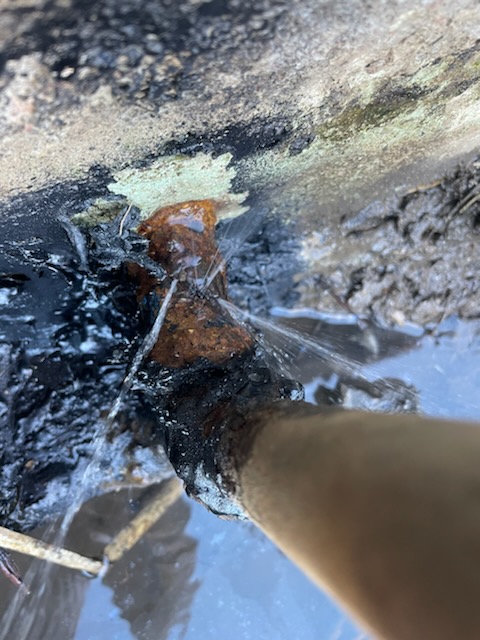
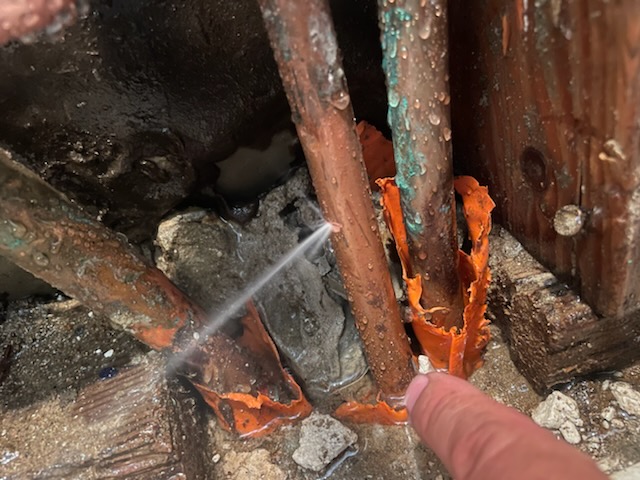
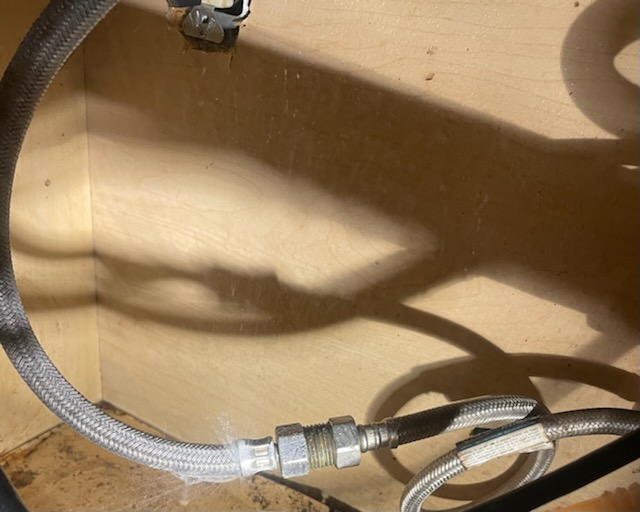
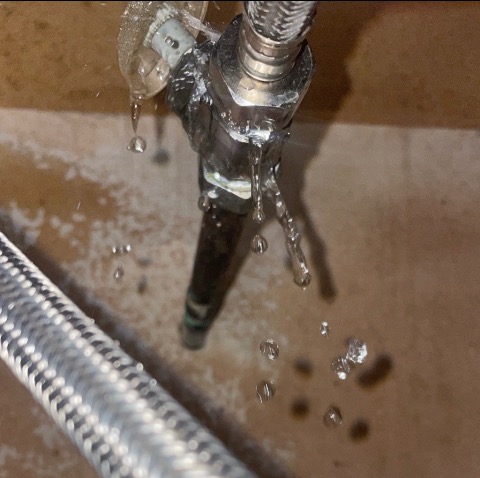
Burst Pipe and Leaks
Leaks and burst pipes can happen for several reasons, depending on the condition of the plumbing and environmental factors. Here are the most common causes:
More Information
Freezing Temperatures
- When water in a pipe freezes, it expands, increasing pressure inside the pipe until it bursts.
- Pipes in unheated or poorly insulated areas (like basements, attics, or exterior walls) are especially vulnerable.
High Water Pressure
- Excessively high water pressure can strain pipes and joints, causing them to weaken and eventually crack or burst.
- Most home plumbing systems are designed for water pressure between 40–60 psi — anything higher can cause damage over time.
Corrosion and Age
- Over time, metal pipes (especially copper and galvanized steel) can corrode from exposure to minerals and chemicals in the water.
- Corrosion weakens the pipe walls, making them more prone to leaks and bursts.
Clogs and Blockages
- A buildup of debris, grease, or mineral deposits can create pressure behind the clog, leading to a rupture.
- In some cases, blocked drainage can also cause backups that result in leaks.
Pipe Material Issues
- Older homes may have pipes made of materials like polybutylene or lead, which are more prone to failure over time.
- PVC and PEX pipes are more resistant to some issues but can still fail if exposed to high pressure or extreme temperatures.
Ground Shifts or Building Movement
- Changes in the foundation or surrounding soil can put stress on pipes, causing them to crack or disconnect.
- Earthquakes, heavy construction, or soil erosion can also contribute to pipe failure.